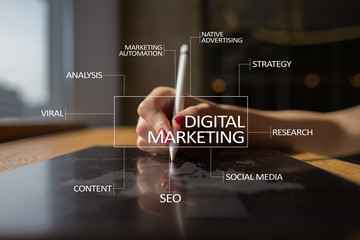
Digital marketing has become a crucial strategy for businesses aiming to engage with their audiences, boost brand awareness, and drive tangible growth. As consumers increasingly rely on online channels to research products, services, and solutions, digital marketing provides the tools and insights needed to reach the right audience at the right time. When executed effectively, digital marketing helps businesses establish a strong online presence and achieve long-term success.
Understanding Digital Marketing
Digital marketing refers to the use of online platforms, technologies, and strategies to promote products or services. Unlike traditional marketing methods, digital marketing allows businesses to target specific audiences, track performance, and adjust campaigns in real time. This data-driven approach enables more efficient and cost-effective marketing efforts.
Core components of digital marketing include:
- Search engine optimization (SEO)
- Content marketing
- Social media marketing
- Email marketing
- Pay-per-click and display advertising
Together, these elements create a cohesive strategy that supports business objectives.
The Role of Search Engine Optimization
Search engine optimization is a foundational aspect of digital marketing. SEO focuses on improving website visibility in search engine results, making it easier for potential customers to find relevant content. Effective SEO strategies involve keyword research, on-page optimization, and technical improvements that enhance website performance.
Benefits of SEO in digital marketing include:
- Increased organic traffic
- Improved website credibility and authority
- Long-term visibility and lead generation
By optimizing content for search intent, businesses can attract qualified users who are actively seeking solutions.
Content Marketing and Audience Engagement
Content marketing plays a critical role in digital marketing by providing valuable, informative, and engaging content to users. High-quality content builds trust, educates audiences, and positions businesses as reliable sources of information.
Common content marketing formats include:
- Blog articles and educational resources
- Videos and visual content
- Guides, tutorials, and case studies
- Email newsletters and updates
Consistent and relevant content strengthens relationships with audiences and supports SEO efforts.
Social Media Marketing Strategies
Social media marketing allows businesses to connect directly with their audience through interactive platforms. By sharing content, responding to feedback, and encouraging engagement, businesses can build a loyal online community.
Effective social media marketing strategies focus on:
- Sharing valuable and relevant content
- Encouraging conversations and interactions
- Maintaining consistent brand messaging
- Analyzing engagement metrics to refine strategy
Social media channels support brand awareness, customer engagement, and traffic generation.
Email Marketing and Lead Nurturing
Email marketing remains one of the most effective digital marketing strategies for nurturing leads and maintaining customer relationships. Personalized email campaigns deliver targeted messages directly to users, increasing engagement and conversion rates.
Key benefits of email marketing include:
- Direct communication with subscribers
- Personalized content delivery
- Measurable performance through open and click rates
When integrated into a broader digital marketing strategy, email marketing supports customer retention and long-term growth.
Data-Driven Decision Making in Digital Marketing
One of the most powerful advantages of digital marketing is access to data and analytics. Businesses can track user behavior, campaign performance, and conversion metrics to evaluate success and identify areas for improvement.
Important digital marketing metrics include:
- Website traffic and user engagement
- Conversion rates and lead generation
- Click-through rates and campaign performance
- Return on investment (ROI)
Analyzing this data allows marketers to make informed decisions and optimize strategies continuously.
Personalization and Customer Experience
Personalization has become a key trend in digital marketing. Consumers expect tailored experiences that align with their interests and needs. Digital marketing tools enable businesses to segment audiences and deliver relevant messages across multiple channels.
Personalized digital marketing strategies result in:
- Higher engagement rates
- Improved customer satisfaction
- Increased conversions and loyalty
By focusing on customer experience, businesses can build meaningful connections with their audience.
The Importance of Mobile-Friendly Marketing
With a growing number of users accessing content on mobile devices, mobile-friendly digital marketing is essential. Websites, emails, and advertisements must be optimized for mobile usability to ensure seamless experiences.
Mobile-focused digital marketing benefits include:
- Improved accessibility and user experience
- Higher engagement from mobile users
- Better search engine performance
Responsive design and mobile optimization are critical components of modern digital marketing.
Challenges in Digital Marketing
While digital marketing offers numerous advantages, it also presents challenges. Rapid changes in technology, evolving algorithms, and increasing competition require marketers to stay informed and adaptable.
Common digital marketing challenges include:
- Keeping up with platform updates
- Standing out in crowded online spaces
- Managing multiple channels effectively
Addressing these challenges requires ongoing learning, testing, and strategy refinement.
Building a Long-Term Digital Marketing Strategy
Successful digital marketing is not a one-time effort—it requires a long-term strategy aligned with business goals. By combining SEO, content creation, social engagement, and data analysis, businesses can build sustainable online growth.
Key elements of a long-term digital marketing strategy include:
- Clear objectives and measurable goals
- Consistent brand messaging
- Regular performance analysis and optimization
A strategic approach ensures that digital marketing efforts deliver lasting results.
Digital marketing is a vital tool for businesses seeking to thrive in the online landscape. By leveraging data-driven strategies, creating valuable content, and prioritizing customer experience, businesses can enhance visibility, increase engagement, and foster growth.
As technology and consumer behavior continue to evolve, digital marketing remains a dynamic and powerful way to connect with audiences. Businesses that invest in thoughtful, adaptable digital marketing strategies are better positioned to build trust, generate leads, and achieve long-term success in an increasingly digital world.